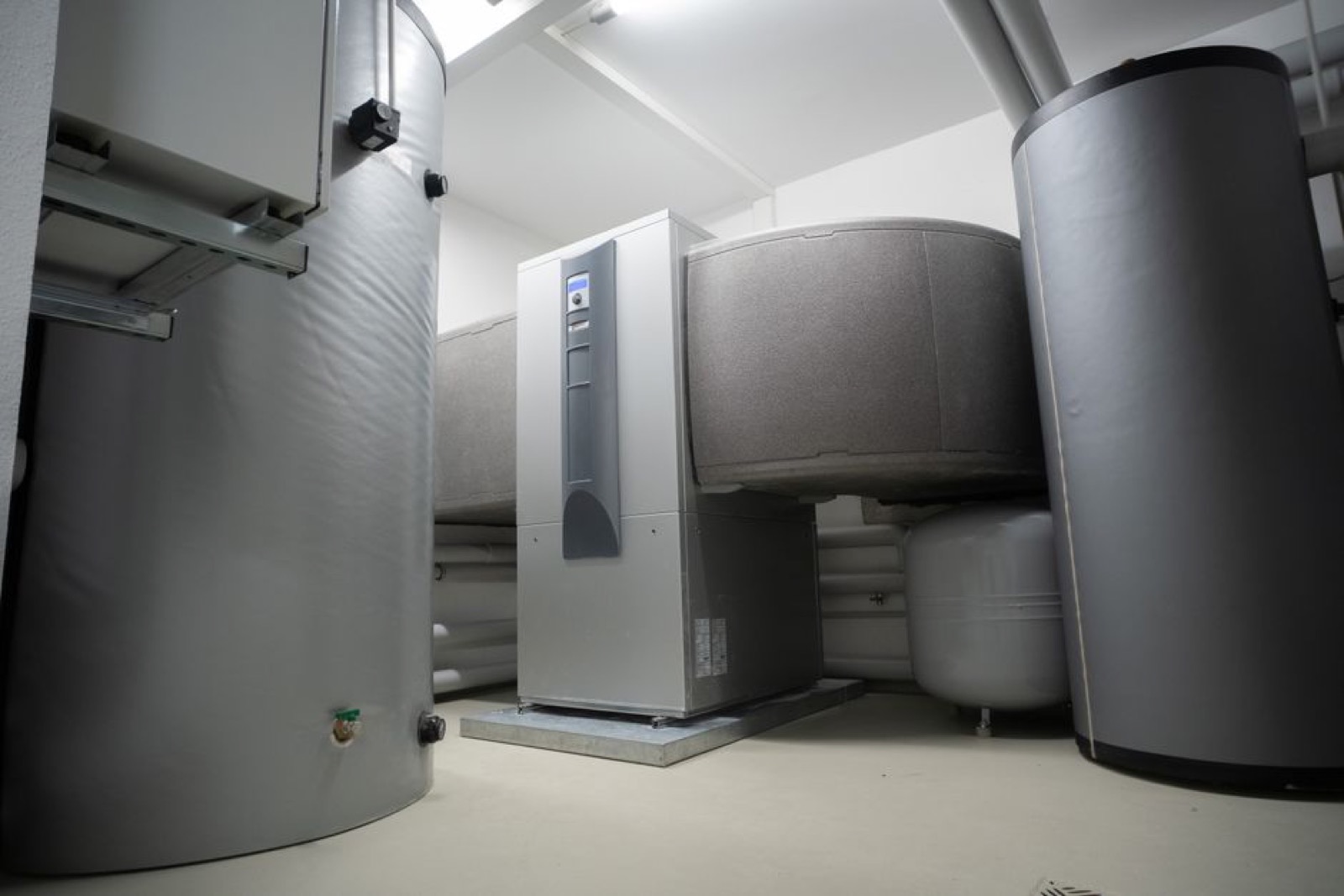
Hybrid Heat Pump Water Heater vs Tankless: Which Actually Saves More Money? (2026)
The tankless vs. hybrid debate looks simple until you run the real numbers. Both types promise energy savings. Both cost more upfront than a basic tank. But they save money through completely different mechanisms - and the winner depends entirely on your fuel source, climate, available space, and how long you plan to stay in the house.
This breakdown uses 2026 energy prices, current federal tax credit data, and real UEF ratings to give you the actual 15-year cost math. No marketing claims - just the numbers.
Affiliate Disclosure: TanklessGeek participates in the Amazon Services LLC Associates Program. We earn commissions from qualifying purchases through our Amazon links at no extra cost to you. We recommend products based on specifications, performance, and value, not commission rates.
Quick Picks: Heat Pump and Tankless Water Heaters
| Unit | Type | UEF | Annual Cost | Tax Credit | Best For | Buy |
|---|---|---|---|---|---|---|
| Rheem ProTerra 50 gal | Heat Pump | 4.0 | ~$155/yr | Up to $2,000 | Most homes with basement space | |
| A.O. Smith Voltex 50 gal | Heat Pump | 3.75 | ~$165/yr | Up to $2,000 | Moderate-climate homes, hard water | Check Price on Amazon |
| EcoSmart ECO 27 | Electric Tankless | 0.96 | ~$370/yr | None | Small homes, mild climates, tight spaces | |
| Rheem RTEX-18 | Electric Tankless | 0.98 | ~$340/yr | None | 1-2 bath homes, supplemental heating | Check Price on Amazon |
| Stiebel Tempra 36 Plus | Electric Tankless | 0.97 | ~$360/yr | None | Whole-home electric, cold climates | Check Price on Amazon |
Annual cost estimates based on 64 gal/day usage at $0.18/kWh national average. Individual results vary by region and usage pattern.
How Each Technology Actually Works
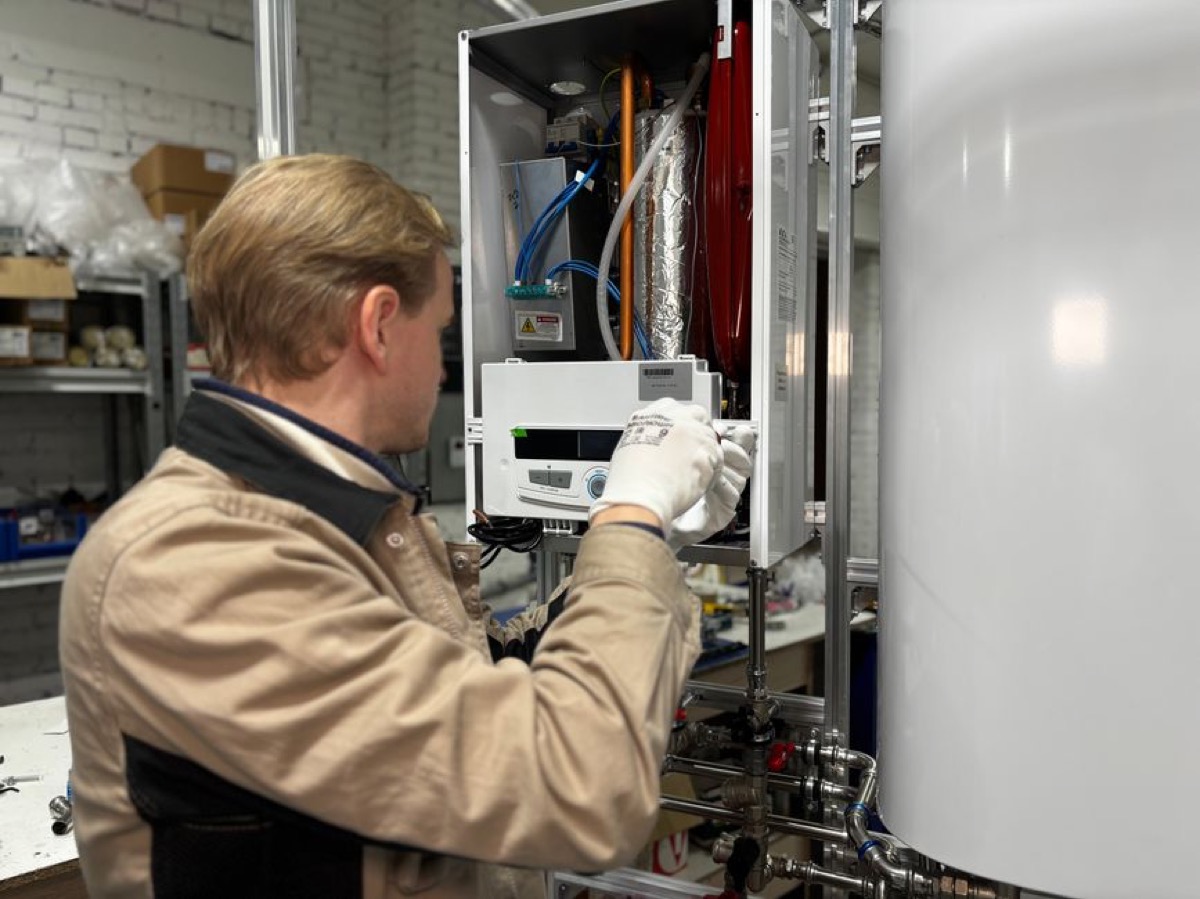
The efficiency gap between these two types comes down to one fundamental difference: how they generate heat.
Heat pump water heaters move existing heat rather than generating it. A refrigerant loop extracts thermal energy from surrounding air and transfers it to the water in the tank. This process delivers 3 to 4 units of heat energy for every 1 unit of electrical energy consumed - that's where the 3.0 to 4.0 UEF rating comes from. The unit runs like a refrigerator in reverse, pulling warmth from your basement or garage and dumping it into the water tank.
Tankless water heaters generate heat on demand using either gas combustion or electrical resistance elements. Condensing gas tankless units approach 0.97 UEF by capturing heat from exhaust gases - but even at peak efficiency, you get roughly 1 unit of heat per 1 unit of energy consumed. Electric tankless units are nearly 100% efficient (0.96 to 0.99 UEF) because almost no energy is lost, but 100% efficient resistance heating still can't match a heat pump's 300 to 400% effective efficiency.
This difference - 3.5x to 4x efficiency ratio - is what drives the operating cost gap. But it's not the whole story.
The 2026 Annual Operating Cost Math
Using the DOE standard test methodology: 4-person household, 64 gallons per day at 120 degrees F output, EIA May 2026 national average energy prices ($0.18/kWh electricity, $1.30/therm natural gas).
| Type | UEF | Annual kWh or Therms | Annual Cost | vs Gas Tankless |
|---|---|---|---|---|
| Heat pump water heater (3.5-4.0 UEF) | 3.75 | 958 kWh | $172 | Saves $83-$108/yr |
| Condensing gas tankless (0.95 UEF) | 0.95 | 152 therms | $198 | Baseline |
| Non-condensing gas tankless (0.82 UEF) | 0.82 | 176 therms | $229 | +$31/yr vs condensing |
| Electric tankless (0.97 UEF) | 0.97 | 3,708 kWh | $668 | +$470/yr more |
| Standard gas tank (0.64 UEF) | 0.64 | 225 therms | $293 | +$95/yr more |
The takeaway: Heat pump beats gas tankless by $80 to $100 per year. It beats electric tankless by nearly $500 per year. Gas tankless beats electric tankless by $400+ per year. If you're replacing an electric tank or comparing to electric tankless, the heat pump wins decisively. If you're comparing to gas tankless, the advantage is real but modest.
Upfront Cost and Federal Tax Credits
Operating cost is only part of the calculation. Installed costs and available incentives dramatically shift the 15-year math.
| Type | Unit Cost | Installation | Typical Installed | Federal Credit | Net After Credit |
|---|---|---|---|---|---|
| Heat pump (50 gal) | $1,299-$1,699 | $400-$800 | $1,700-$2,500 | Up to $2,000 | ~$500-$1,500 |
| Condensing gas tankless | $800-$1,400 | $1,500-$2,500 | $2,300-$3,900 | Up to $600 | $1,700-$3,300 |
| Electric tankless (whole-home) | $400-$900 | $800-$1,500 | $1,200-$2,400 | None | $1,200-$2,400 |
The federal Section 25C tax credit covers 30% of the cost of ENERGY STAR-certified heat pump water heaters, capped at $2,000. Most Rheem ProTerra and A.O. Smith Voltex models qualify. Gas condensing tankless units qualify for the same 30% credit capped at $600 - significantly less leverage.
After the $2,000 credit, a heat pump water heater can land at $500 to $1,500 net installed - cheaper than most gas tankless setups before any credit. Low-income households may qualify for additional HEAR Act rebates of up to $1,750 on top of the federal credit.
The 15-Year Total Cost Comparison
Running a realistic 15-year scenario using median figures (4-person household, national average energy prices, no gas price increases):
| Scenario | Net Install | 15-yr Energy | Replacement at Year 13 | 15-yr Total |
|---|---|---|---|---|
| Heat pump (Rheem ProTerra) | $900 | $2,580 ($172 x 15) | ~$600 compressor service | ~$4,080 |
| Condensing gas tankless | $2,500 | $2,970 ($198 x 15) | None (lasts 20+ yr) | ~$5,470 |
| Electric tankless (27kW) | $1,600 | $10,020 ($668 x 15) | None (lasts 18+ yr) | ~$11,620 |
The heat pump wins the 15-year race by roughly $1,400 over condensing gas tankless - even accounting for a compressor service call. Against electric tankless, it's not a contest: the heat pump saves over $7,500 across 15 years.
Important caveat: if gas prices remain low and your electricity rate exceeds $0.20 per kWh (common in California, New England, and Hawaii), gas tankless closes the gap significantly. Run the numbers for your specific utility rates.
Space and Installation: The Real Deciding Factor
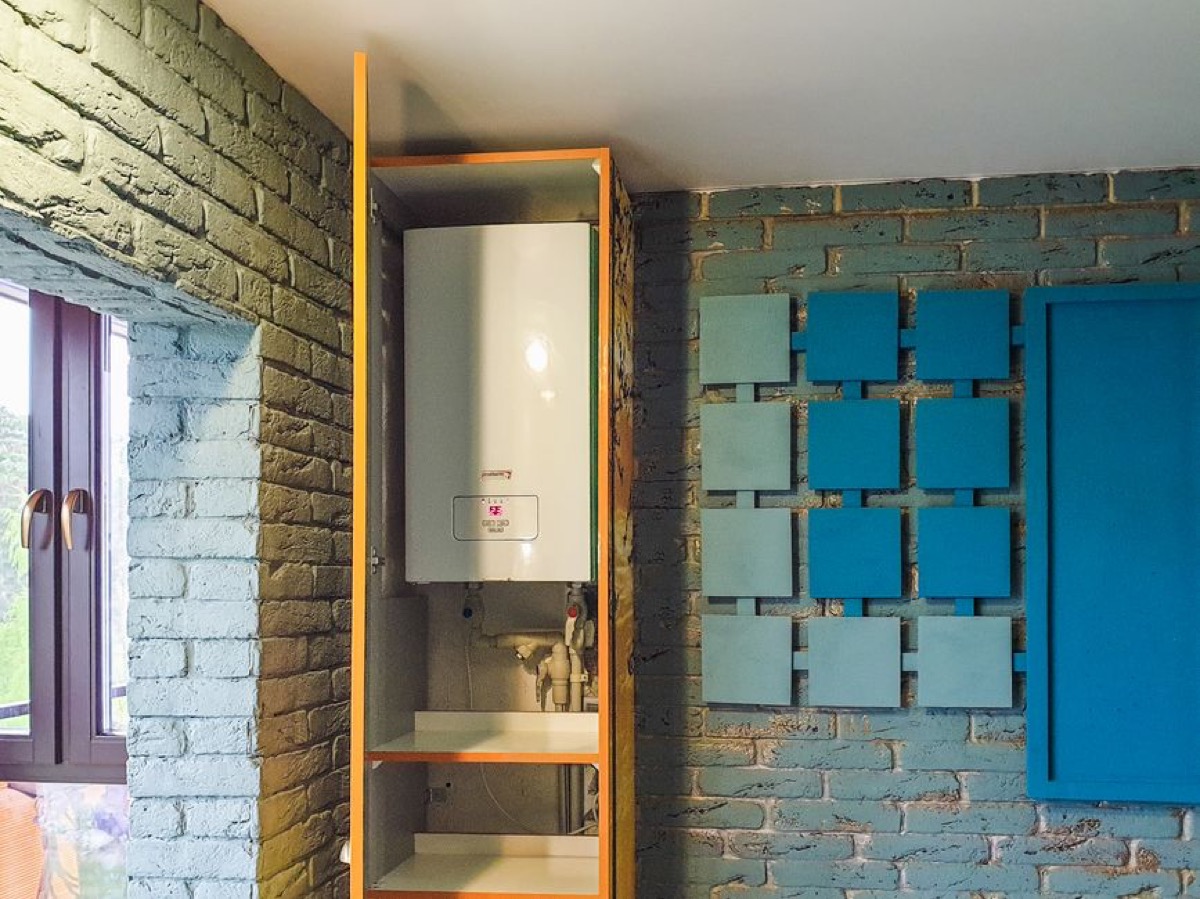
The operating cost analysis assumes you can install either type. In practice, space requirements eliminate one option for many homeowners.
Heat Pump Requirements
- Minimum air volume: 450 to 700 cubic feet (roughly a 10x10 foot room at 8-foot ceiling height)
- Temperature range: Ambient air must stay above 37 to 40 degrees F for heat pump mode to engage
- Condensate drain: The unit produces 1 to 3 pints of condensate per hour - needs a floor drain or condensate pump
- Noise: 40 to 55 dB during operation - similar to a window air conditioner. Not suitable for bedrooms or quiet spaces
- Clearance: 7-inch minimum on all sides for airflow
Tankless Requirements
- Gas units: Exterior or chase venting required (PVC for condensing, Category III stainless for non-condensing). Gas line sized for BTU demand (typically 3/4-inch minimum for whole-home units)
- Electric units: 240V dedicated circuit. 36kW models need 150 amps - a panel upgrade is required in most homes under 200-amp service
- Floor space: Near zero. Wall-mounted units measure 14x20 inches and weigh 10 to 25 pounds
- Temperature sensitivity: None. Performance is identical at any ambient temperature
If you have a conditioned basement or large utility room: heat pump is worth strong consideration. If you're in an apartment, small home, or a northern climate with an unheated garage: tankless wins on feasibility.
Which Type Is Right for Your Situation?
Choose a heat pump water heater if:
- You have a conditioned basement or utility room with 450+ cubic feet of air
- Your current water heater is electric (savings vs. electric resistance are massive)
- You want to maximize federal tax credits (up to $2,000 vs. $600 for gas tankless)
- You're in a moderate climate where ambient temps stay above 40 degrees F year-round in the installation space
- Long-term operating cost savings matter more than installation simplicity
Choose a tankless water heater if:
- You have natural gas service and want low operating costs without space constraints
- Your installation space is small - closet, crawlspace, or mechanical room under 450 cubic feet
- You're in a cold climate with an unheated garage or basement that drops below 40 degrees F in winter
- You need endless hot water with zero recovery time and no storage tank
- You want a 20+ year lifespan without compressor replacement concerns
- You're in a condo or apartment where floor space and noise are limited
Product Recommendations
Best Heat Pump: Rheem ProTerra 50-Gallon
The Rheem ProTerra is the strongest combination of efficiency (4.0 UEF) and smart features in the heat pump category. Wi-Fi app control lets you set vacation mode, monitor energy use, and receive leak alerts. It shifts between heat pump mode, electric resistance, and hybrid mode automatically based on demand and ambient temperature. The 50-gallon tank provides adequate storage for 4-person households even during demand peaks when the heat pump can't keep up.
Best Heat Pump Runner-Up: A.O. Smith Voltex 50-Gallon
The A.O. Smith Voltex competes closely with the ProTerra at 3.75 UEF. Its Blue Diamond glass lining resists corrosion better than standard glass in hard-water regions, and the 12-year tank warranty is longer than most competitors. First-hour delivery of 102 gallons handles simultaneous peak demand better than many tank-based heat pumps. The iCOMM app provides remote monitoring and refrigerant diagnostics that help predict compressor issues before they become failures.
Check Price on Amazon - A.O. Smith Voltex
Best Electric Tankless for Space-Constrained Homes: EcoSmart ECO 27
Where a heat pump isn't feasible, the EcoSmart ECO 27 at 27kW delivers whole-home hot water in a unit that weighs under 15 pounds and mounts directly to a wall stud. Self-modulating technology adjusts power draw based on actual demand - at low flow, it draws significantly less than the 112.5-amp nameplate rating. Lifetime limited warranty is one of the longest in the category. Note that in cold climates with groundwater below 55 degrees F, you'll need the 36kW version for adequate multi-fixture flow.
Frequently Asked Questions
Is a heat pump water heater cheaper to run than a tankless water heater?
Usually yes. A heat pump water heater at 3.5 to 4.0 UEF costs roughly $130 to $180 per year to run for a 4-person household at national average electricity rates. A condensing gas tankless at 0.95 UEF costs $200 to $280 per year. An electric tankless costs $300 to $420 per year because resistance heating is far less efficient than heat transfer. The heat pump wins on operating cost in most regions - the main exception is areas with cheap natural gas (under $1.00 per therm) and high electricity rates above $0.20 per kWh.
What is the federal tax credit for a heat pump water heater in 2026?
ENERGY STAR-certified heat pump water heaters qualify for a 30% federal tax credit under Section 25C, capped at $2,000 per year. Tankless gas water heaters qualify for a separate 30% credit capped at $600. The heat pump credit is more than three times larger. To qualify, the unit must have a UEF of 2.2 or higher, and you must file IRS Form 5695 with your federal return. Low-income households may also qualify for HEAR Act point-of-sale rebates up to $1,750 on top of the tax credit.
How much space does a heat pump water heater need?
Most manufacturers specify a minimum of 450 to 700 cubic feet of air space - roughly a 10x10 foot room or larger. The unit pulls ambient heat from surrounding air, so cramped closets cut efficiency dramatically and may cause the unit to run in resistance-only mode, eliminating the efficiency advantage. Heat pump units also produce condensate requiring a floor drain, and operate at 40 to 55 decibels. Tankless units are wall-mounted with almost no floor footprint and work in any space with adequate electrical or gas service.
Does a heat pump water heater work in cold climates?
Most models operate down to 37 to 40 degrees F ambient air temperature. Below that threshold, they switch to resistance heating mode and lose the efficiency advantage entirely. In cold climates where the installation space - unheated garages, unconditioned basements - drops below 40 degrees F in winter, the heat pump runs on resistance heating for months at a time, performing no better than a standard electric tank. Tankless units have no ambient temperature restriction and maintain consistent performance year-round.
Which lasts longer: a heat pump water heater or a tankless?
Tankless units generally last longer. Gas tankless water heaters typically last 18 to 22 years with proper maintenance. Electric tankless units last 15 to 20 years. Heat pump water heaters have lifespans of 12 to 15 years because the refrigerant compressor adds mechanical complexity. Compressor replacement at year 8 to 12 adds $400 to $800 to the ownership cost. Factor this into any long-term cost comparison - the heat pump's operating cost advantage can narrow when you account for mid-life compressor service.
What is the payback period for a heat pump vs gas tankless?
After the $2,000 federal tax credit, a heat pump water heater installed cost can drop to $500 to $1,500 net - often less than a comparable condensing gas tankless. With $80 to $100 per year in operating savings over gas tankless, payback on the efficiency premium alone is 5 to 10 years. Against electric tankless, the heat pump saves $150 to $250 per year, paying back within 5 to 8 years even before rebates. State rebates and utility incentives can shorten payback to 2 to 4 years in states with strong electrification programs.
Can a tankless water heater be installed anywhere in a home?
Gas tankless units need exterior venting but are otherwise flexible - garage walls, utility closets, exterior walls, and attics are all viable. Electric tankless units need no venting and can go almost anywhere with adequate electrical service, though 36kW whole-home units require 150 amps and often a panel upgrade. Both types are compact enough for small apartments and condos. Heat pump water heaters need large open spaces with ambient air, a floor drain for condensate, and minimum clearance on all sides - making them impractical in many urban homes and high-rise condos.
The 2026 Verdict
For most homeowners replacing an electric water heater: the heat pump wins decisively. Operating costs are $500 per year less than electric tankless, federal tax credits go up to $2,000, and the 15-year savings dwarf the efficiency premium. Install it in a conditioned basement, set it to Efficiency mode, and let the economics work.
For natural gas users: the math is closer. A condensing gas tankless costs $80 to $100 more per year to run than a heat pump, but the gas unit lasts longer, requires no minimum room size, and performs identically in any climate. If you have space constraints, live in a cold climate with an unheated utility area, or simply want the unlimited-flow experience of a tankless, the condensing gas unit makes sense despite the modest operating cost disadvantage.
For electric tankless: the heat pump is almost always the better long-term choice unless space is genuinely the limiting factor. The $500 annual operating cost premium of electric resistance heating compounds dramatically over 15 years.
Related: How to claim the 2026 tankless water heater tax credit | Condensing vs non-condensing tankless: efficiency breakdown | EcoSmart ECO 36 review
Affiliate Disclosure: TanklessGeek participates in the Amazon Services LLC Associates Program, an affiliate advertising program designed to provide a means for sites to earn commissions by linking to Amazon.com. We earn commissions from qualifying purchases made through our Amazon links at no additional cost to you. These commissions support our research, testing, and content creation. We recommend products based on specifications, performance, and value, not commission rates.