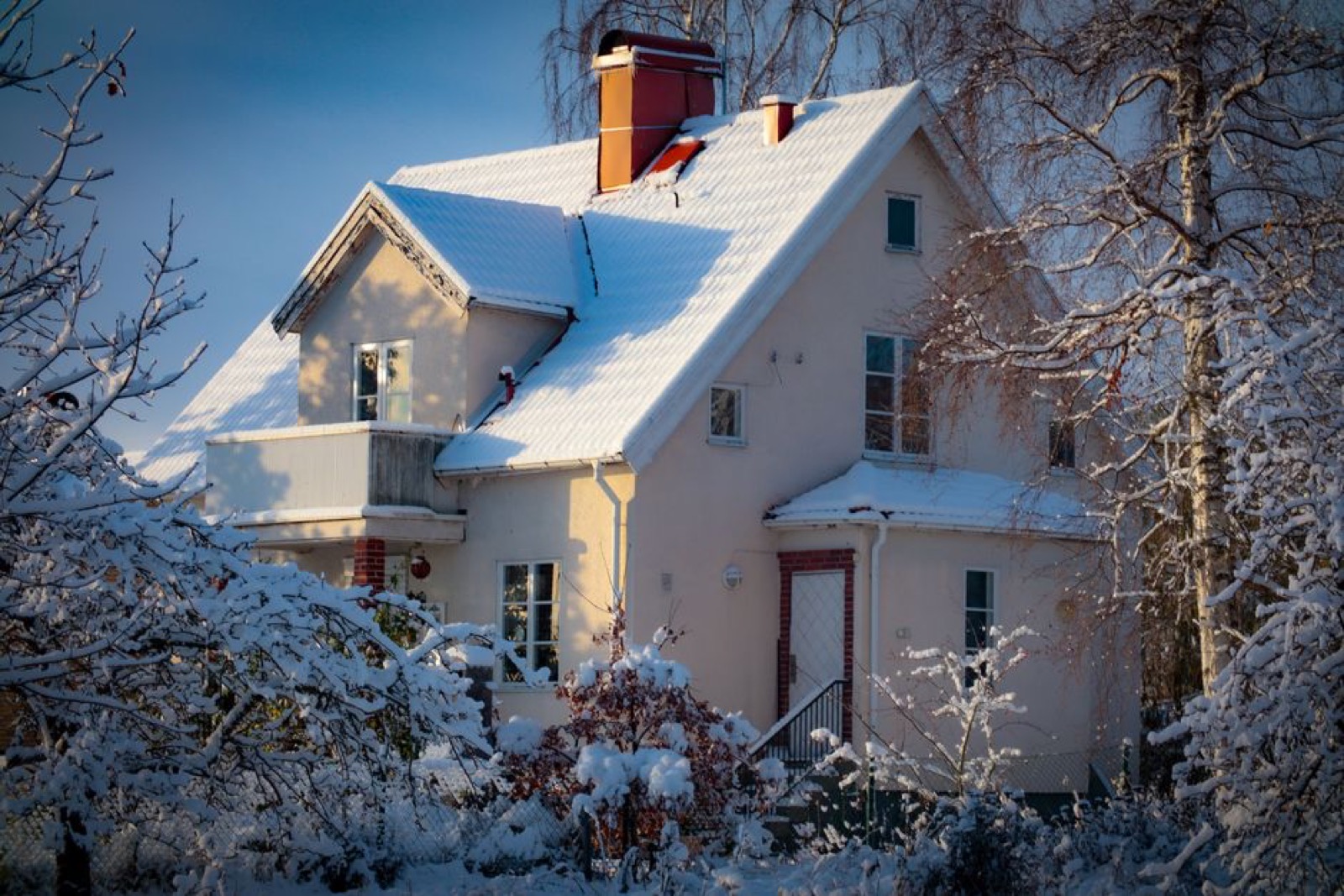
Tankless Water Heater Winter Freeze Protection: How to Prevent Damage in Cold Climates
A frozen tankless water heater costs $800 to $1,500 to repair - and most of it is preventable. Internal freeze protection helps, but it only covers the heat exchanger. The supply pipes, condensate drain, and venting running to your unit are on their own. This guide covers every layer of protection, ranked by what actually fails first.
Affiliate Disclosure: TanklessGeek participates in the Amazon Services LLC Associates Program. We earn commissions from qualifying purchases through our Amazon links at no extra cost to you. We recommend products based on specifications, performance, and value, not commission rates.
Quick Picks: Freeze Protection Products That Work
These are the products worth buying before temperatures drop. All verified available on Amazon as of August 2026.
| Product | Length | Best For | Price | Link |
|---|---|---|---|---|
| Easy Heat AHB-124 | 24 ft | Best overall - long supply line runs | ~$37 | Check Price on Amazon |
| Cupohus 15FT Self-Regulating | 15 ft | Best value - short runs, outdoor units | ~$28 | Check Price on Amazon |
| Giraffe Tools 30FT | 30 ft | Best for long outdoor pipe runs, to -40F | ~$38 | Check Price on Amazon |
| Easy Heat 3FT Auto Cable | 3 ft | Best for condensate drain and valve protection | ~$28 | Check Price on Amazon |
Why Internal Freeze Protection Is Not Enough
Every major tankless brand - Rinnai, Navien, Noritz, Rheem, Bosch - includes internal freeze protection in their residential units. Understanding what it covers and what it does not is step one.
What internal freeze protection does: An electric heating element inside the unit keeps the heat exchanger and internal water passages above freezing when the ambient temperature around the unit drops below approximately 35 to 40 degrees Fahrenheit. The element draws power and activates automatically.
What it does not cover:
- Cold water supply lines running to the unit
- Hot water outlet lines from the unit
- Condensate drain lines (condensing units only)
- PVC or CPVC venting exposed to outdoor temperatures
- Any pipe in an unconditioned garage, crawlspace, or exterior wall chase
Rinnai's warranty documentation explicitly states that freeze damage caused by power failure is not covered under the standard limited warranty. The same language appears in Navien and Noritz warranty terms. That means a $900 heat exchanger replacement falls entirely on the homeowner.
Layer 1: Heat Tape on Supply and Outlet Pipes
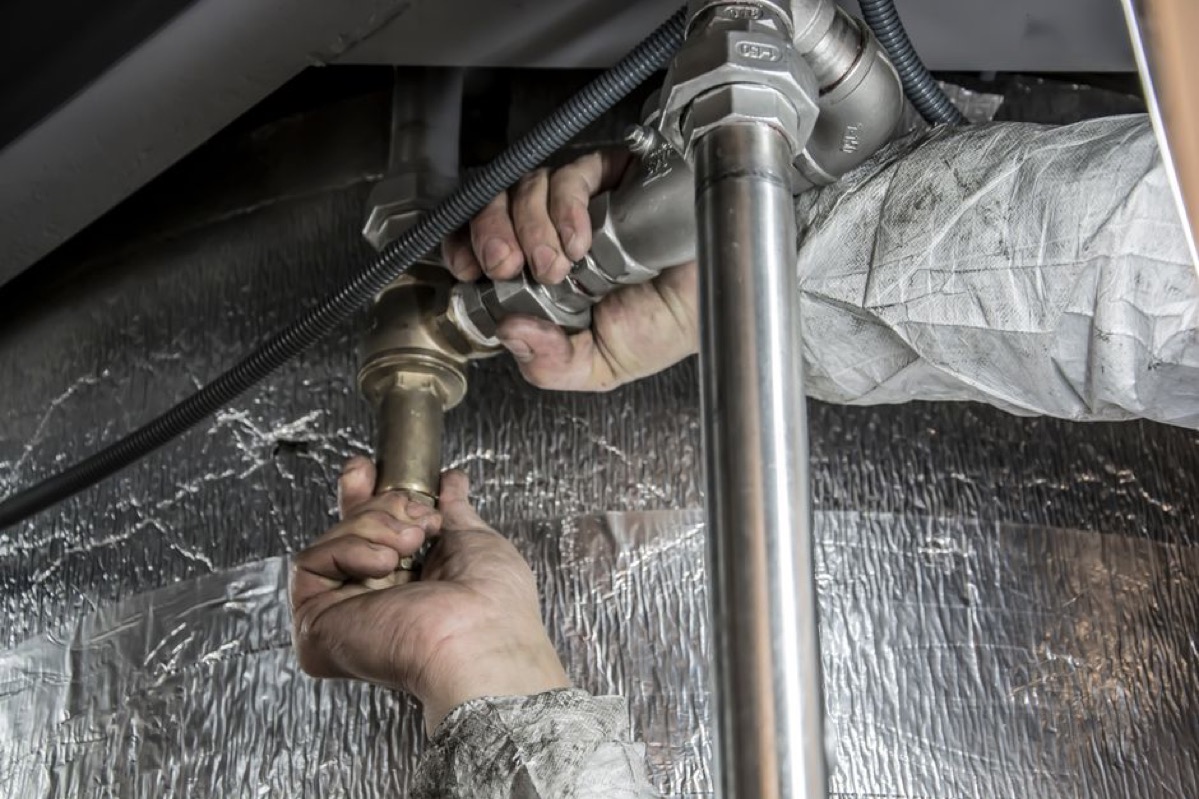
Self-regulating heat tape is the single most effective tool for preventing supply line freeze damage. Unlike constant-wattage tape, self-regulating cable uses a polymer matrix that automatically increases electrical resistance as temperature rises - delivering more heat when pipes approach freezing and backing off when the pipe is warm. This prevents overheating and cuts electricity consumption by 25 to 40 percent compared to constant-wattage alternatives.
Easy Heat AHB-124 (24-Foot) - Best Overall
The Easy Heat AHB-124 is a standard choice for residential tankless installs. The 24-foot run covers a cold water supply line from meter to unit with room to spare. The integral thermostat activates automatically and the weather-resistant PVC jacket handles outdoor exposure without degradation. At roughly $37, it is the most cost-effective protection for a unit with a 5 to 15 foot pipe run.
Installation: run the cable along the underside of the pipe in a straight line (do not spiral it - straight application is sufficient for pipes up to 1.5 inches diameter). Secure every 12 inches with aluminum foil tape, not electrical tape. Then slide foam pipe insulation sleeve over the top to retain heat.
Cupohus 15FT Self-Regulating - Best Value for Shorter Runs
For outdoor tankless units with short pipe stubs - typical on Rinnai and Rheem outdoor models where supply connections are close to the unit - the Cupohus 15-foot cable at $28 covers the exposed section without paying for unused length. It activates below 41F and shuts off at 59F. CSA and ETL certified. Includes fiberglass securing tape in the box.
Giraffe Tools 30-Foot - Best for Long Outdoor Runs
Homes with exterior-mounted tankless units and long exposed pipe runs to an outdoor meter need more coverage. The Giraffe Tools 30-foot cable handles runs up to 30 feet and is rated to minus 40F - meaningful protection in Montana, Minnesota, and high-altitude installations where temperatures routinely drop below zero. The 6-foot power cord makes reaching a GFCi outlet practical without an extension cord.
Easy Heat 3-Foot Auto Cable - Condensate Drain and Valve Protection
Condensing tankless units produce condensate that drains through a small-diameter line. That line freezes before the supply pipes because it has almost no water mass. The Easy Heat 3-foot automatic cable was designed exactly for this: short sections, valve bodies, and condensate drain lines where a full 15 or 24-foot run would be wasteful. The snap-action thermostat activates only when needed. At $28, protecting a frozen condensate line that would otherwise back up into the heat exchanger is cheap insurance.
Layer 2: Pipe Insulation Sleeve
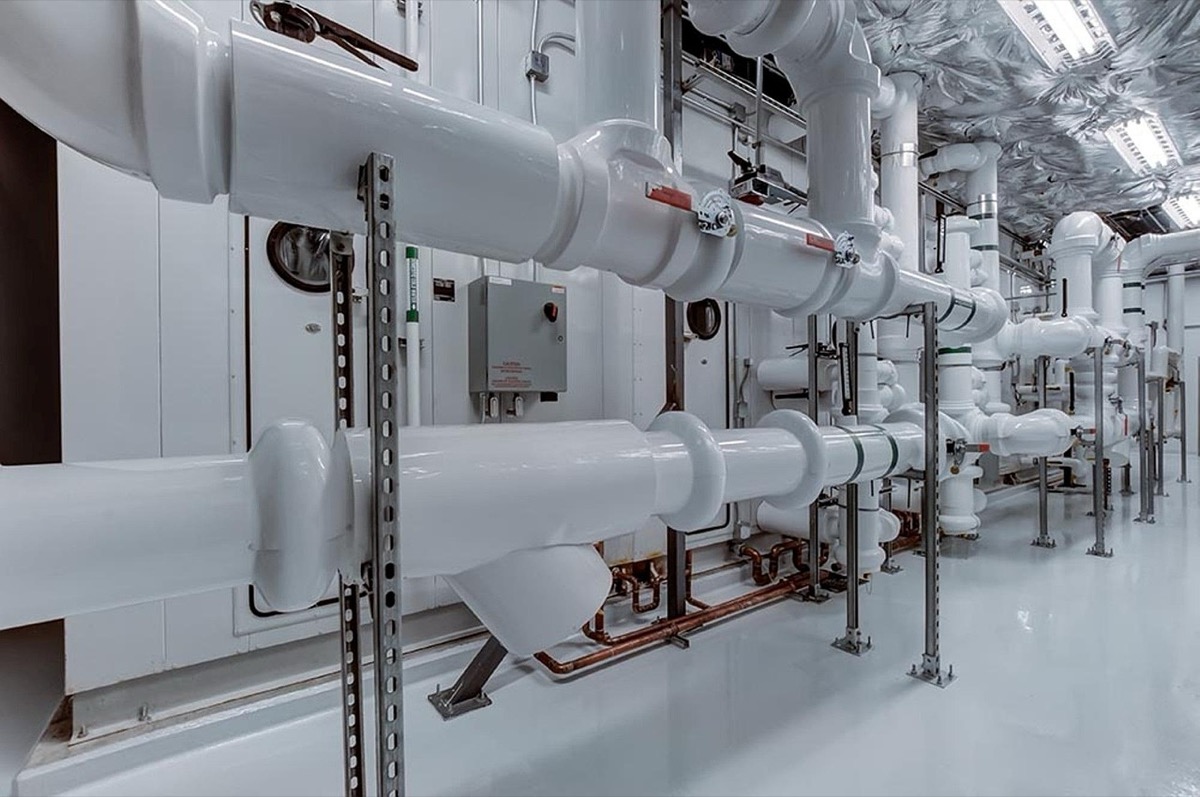
Heat tape alone is not enough. Without insulation over the top, heat tape is fighting ambient air temperature continuously. Foam pipe insulation sleeve (3/4-inch ID for standard 3/4-inch supply lines, 1-inch ID for 1-inch lines) acts as a thermal barrier that holds the heat tape's warmth against the pipe. The combination of heat tape plus insulation sleeve reduces electrical consumption by 30 to 50 percent compared to heat tape alone - and it dramatically extends the effective protection temperature range.
Standard closed-cell foam pipe insulation at any hardware store works. For outdoor installations exposed to moisture, look for insulation with UV-resistant jacket or wrap the foam in weatherproof vinyl tape to prevent moisture absorption and degradation over multiple seasons.
Installation order matters: pipe, then heat tape secured with aluminum foil tape, then foam sleeve slid over the top. Do not reverse the order - insulation under the heat tape insulates the pipe from the heat tape, which defeats the purpose.
Layer 3: Drain Valve Procedure for Extended Absences
For vacation properties, seasonal cabins, or any home left unoccupied during a cold snap, draining the tankless unit is the only reliable protection. Heat tape and internal freeze protection both depend on electricity, which fails precisely when you need it most.
Standard Drain Procedure (Applies to Rinnai, Navien, Noritz, Rheem)
- Set the unit to off mode at the controller
- Shut off the cold water supply valve to the unit
- Shut off the gas supply valve
- Open a hot water faucet anywhere in the house to relieve pressure
- Locate the drain valve or service port on the cold inlet - open it to drain the heat exchanger
- For condensing units, disconnect the condensate drain line and allow it to fully drain
- Leave inlet and outlet isolation valves in the open position so any residual water can expand without cracking the heat exchanger
When you return and want to reactivate: close the drain valve, restore cold water supply, restore gas, and power on the unit. Allow 2 to 3 minutes for the system to fill and purge air before calling for hot water.
Layer 4: Venting Winterization
PVC and CPVC vent pipes on condensing tankless units present two winter problems: condensate pooling and ice damming at the termination point.
Condensate pooling: Condensing units produce water vapor in the exhaust. In cold weather, that vapor condenses inside the exhaust vent pipe before it exits the building. If the vent slope is inadequate (should pitch back toward the unit at 1/4 inch per foot), condensate pools and can freeze inside the vent - blocking the exhaust and triggering error codes like Rinnai Code 11 (ignition failure) or Navien Error 10E (exhaust blockage). Verify vent slope annually before winter.
Ice damming at the termination: At temperatures below 15F, exhaust condensate can freeze at the outdoor termination cap, gradually blocking airflow. Check the vent termination cap monthly during cold snaps. Most manufacturers supply termination caps that resist ice accumulation, but heavy ice formation in extreme cold requires manual clearing. Never use heat tape inside PVC vent pipe - this is a fire risk and voids manufacturer warranty.
For non-condensing units with metal B-vent or Category III stainless steel venting, ice damming is less common because exhaust temperatures are higher and less condensation forms. Still check the termination screen annually - debris and ice together cause blockage faster than either alone.
Outdoor vs. Indoor Units: Different Risk Profiles
Outdoor-rated tankless units (Rinnai RU and RX outdoor series, Rheem RTGH-95XLN, Noritz NCC199-OD) are weatherproofed and designed to survive in outdoor environments. They still need heat tape on supply pipes and should stay powered for internal freeze protection to work. Rinnai's outdoor units carry internal freeze protection rated to minus 22F, but that only applies to the unit body - pipes are still exposed.
Indoor units in garages are the highest-risk installation type. A garage is unconditioned space in most climates. When outside temperature hits 10F, an uninsulated garage can reach 15 to 20F. At that point, the internal freeze protection on the unit is actively running, but the supply pipes running through the garage wall are freezing simultaneously. Indoor garage installations need heat tape on every exposed pipe run, not just the section immediately adjacent to the unit.
For related guidance on cold-climate unit selection, see our guide to best tankless water heaters for cold climates and high altitude.
Power Outage Contingency Plan
Internal freeze protection fails without power. In regions where winter ice storms routinely knock out electricity for 12 to 48 hours, a contingency plan prevents a $1,200 repair bill.
Option 1: UPS battery backup. A small UPS (uninterruptible power supply) connected to the unit maintains power for the internal freeze protection element during short outages. Most residential tankless freeze protection elements draw under 3 amps - a 750VA UPS provides 4 to 6 hours of runtime at that load. This covers the majority of outage events in most markets.
Option 2: Portable generator connection. If you own a portable generator for home backup, connect the tankless unit to generator power during extended outages. Standard 120V outlet is sufficient for freeze protection-only operation (you do not need to run the full unit for water heating, just keep it powered).
Option 3: Immediate drain-down on outage. If an extended outage is forecast and you have neither a UPS nor a generator, execute the drain procedure described above immediately rather than waiting to see whether temperatures drop low enough to cause damage. This is the zero-cost contingency.
For troubleshooting error codes that appear after a cold snap, see our complete tankless water heater error codes guide.
What to Do If Your Unit Already Froze
If you suspect freeze damage - the unit powers on but no water flows, or the unit shows ignition errors after a cold snap - do not attempt to reactivate normal operation until you have confirmed there are no cracked pipes or a fractured heat exchanger.
- Shut off the cold water supply to the unit
- Shut off the gas supply
- Inspect all visible supply and outlet lines for cracks or splits - look for ice bulges in copper lines, which indicate expansion damage
- Allow the unit to thaw naturally at room temperature - do not use a torch or heat gun on the heat exchanger
- After thawing, restore cold water supply slowly and check for leaks before restoring gas
- If water drips from the unit body itself (not a connection fitting), the heat exchanger has cracked - contact a licensed plumber before operating the unit again
Most freeze damage claims that are denied by manufacturers involve units that were operated after freeze damage occurred, which can turn a $300 cracked pipe repair into a $900 heat exchanger replacement.
2026 Verdict: The Right Protection Stack
Cold-climate tankless protection is not complicated, but it requires doing all of it - not just one piece. The minimum protection stack for any tankless installation that sees sustained temperatures below 25F:
- Self-regulating heat tape on all exposed supply and outlet pipe runs
- Foam pipe insulation sleeve over the heat tape
- Short heat tape on the condensate drain line (condensing units)
- Verified vent slope and annual termination cap inspection
- Power outage contingency: UPS, generator, or documented drain procedure
The four heat tape products in the Quick Picks table above cover every scenario from a 3-foot condensate drain to a 30-foot outdoor pipe run. Total protection cost for a typical installation: $60 to $100. Compare that to the average freeze damage repair at $850 to $1,400 and the math is straightforward.
For related cold-weather guidance, see our comparison of the best tankless water heaters for cold climates and our guide to diagnosing no hot water and delay issues.
Frequently Asked Questions
Do tankless water heaters freeze?
Yes. Most tankless water heaters have internal freeze protection that heats the unit itself down to around 20 to 25 degrees Fahrenheit, but this only protects the heat exchanger and internal components. The water supply lines and venting running to and from the unit are not protected by internal freeze protection and will freeze if exposed to sustained sub-freezing temperatures without additional insulation or heat tape.
What temperature will freeze a tankless water heater?
The unit itself typically freezes when ambient temperatures drop below 20 to 25 degrees Fahrenheit for an extended period and power is lost (disabling internal electric freeze protection). The supply pipes running to the unit can freeze at 32 degrees Fahrenheit if they are exposed, uninsulated, or in an unconditioned space like a garage or exterior wall chase.
How do I protect an outdoor tankless water heater from freezing?
For outdoor-rated tankless units, the primary protections are: (1) self-regulating heat tape on supply and outlet pipes, (2) foam pipe insulation sleeve over the heat tape, (3) ensuring the unit stays powered during cold snaps so internal freeze protection can activate, and (4) installing a freeze protection kit with a drain valve that automatically releases water when temperature drops below a threshold. For severe climates below minus 20 Fahrenheit, add a weatherproof enclosure with a small internal heater.
Should I drain my tankless water heater for winter?
If you are winterizing a vacation home or leaving a property unoccupied for more than two weeks in freezing weather, yes - shut off the gas and water supply, then open the drain valve and cold inlet service port to purge the heat exchanger. Leave the inlet and outlet valves open to allow any remaining water to expand without cracking components. For occupied homes, draining is not necessary if you maintain power and use heat tape on supply pipes.
Does a power outage affect tankless water heater freeze protection?
Yes - this is the most overlooked freeze risk. Internal freeze protection on Rinnai, Navien, Noritz, and Rheem tankless units requires electricity to operate the internal heating element. During an extended power outage at sub-freezing temperatures, that protection disappears entirely. If your area experiences ice storms or winter outages, either connect the unit to a UPS battery backup or have a drain procedure ready to execute when power goes out.
What is the best heat tape for tankless water heater pipes?
Self-regulating heat tape is the correct choice for tankless supply lines. Unlike constant-wattage tape, self-regulating cable adjusts its heat output based on pipe temperature - applying more heat when pipes approach freezing and reducing output when warm. This prevents pipe overheating and reduces electricity consumption. The Easy Heat AHB-124 (24 feet, 120V) is a proven choice for residential installs. Always cover heat tape with foam pipe insulation sleeve for maximum effectiveness.
Can I leave my tankless water heater on vacation mode in winter?
Vacation mode (or freeze protection mode) on Rinnai, Navien, and Noritz units runs the unit periodically to circulate warm water and keep the heat exchanger above freezing. It is effective for short absences of a week or less if the property stays powered and temperatures stay above minus 10 Fahrenheit. For longer absences or more severe cold, full winterization drain-down is the safer option.
Affiliate Disclosure: TanklessGeek participates in the Amazon Services LLC Associates Program, an affiliate advertising program designed to provide a means for sites to earn commissions by linking to Amazon.com. We earn commissions from qualifying purchases made through our Amazon links at no additional cost to you. These commissions support our research, testing, and content creation. We recommend products based on specifications, performance, and value, not commission rates.
Photos provided by Pexels.