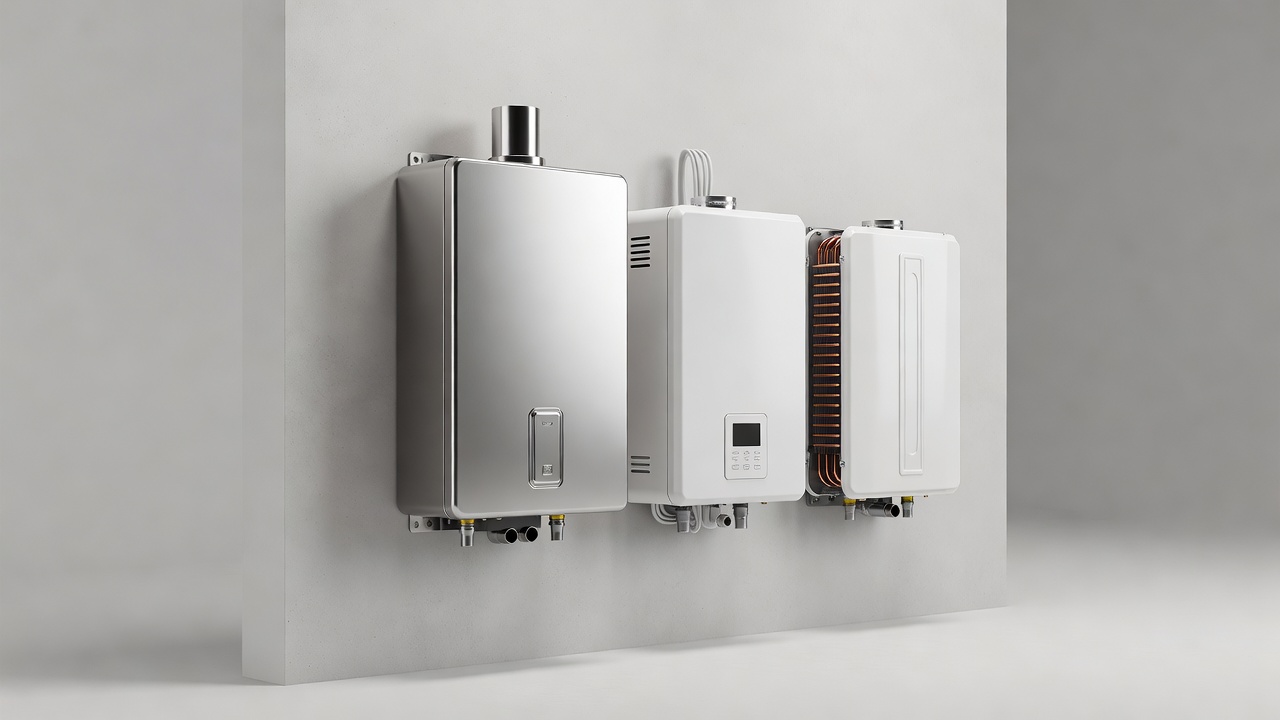
Living at 7,000 feet elevation in Wyoming or dealing with 35°F groundwater in northern Minnesota puts unique stress on tankless water heaters. Cold inlet temperatures can slash flow rates by 30-40% compared to manufacturer claims. High altitude reduces oxygen availability, affecting combustion efficiency and requiring specialized setup or derate calculations.
This guide covers units that actually perform in extreme conditions - tested at elevation, rated for freeze protection, and proven to handle cold groundwater without temperature fluctuation. We focus on condensing models (0.94+ UEF) with outdoor or cold-climate venting, altitude ratings to 10,200 feet, and real-world flow capacity when inlet temps drop below 40°F.
Understanding Cold Climate & Altitude Challenges
Tankless water heaters work by heating water on-demand as it flows through a heat exchanger. Two factors complicate this in extreme conditions:
- Cold groundwater - A unit rated for 8 GPM at 77°F rise (heating 50°F inlet water to 127°F) may only deliver 5 GPM when inlet temps drop to 35°F. The same BTU input must achieve a larger temperature rise, reducing effective flow rate.
- High altitude - Above 2,000 feet, thinner air reduces combustion efficiency. Most gas units require altitude adjustment via dip switches or installer menu settings. Some manufacturers derate output capacity at 8,000+ feet by 4% per 1,000 feet.
The right unit for these conditions prioritizes: (1) freeze protection to -30°F, (2) altitude certification with clear adjustment procedures, (3) oversized BTU capacity to compensate for cold inlet temps, and (4) condensing technology (which performs better in cold climates due to heat recovery from flue gases).
Top Pick: Rinnai RU199iN - Best for 8,000+ ft Elevation
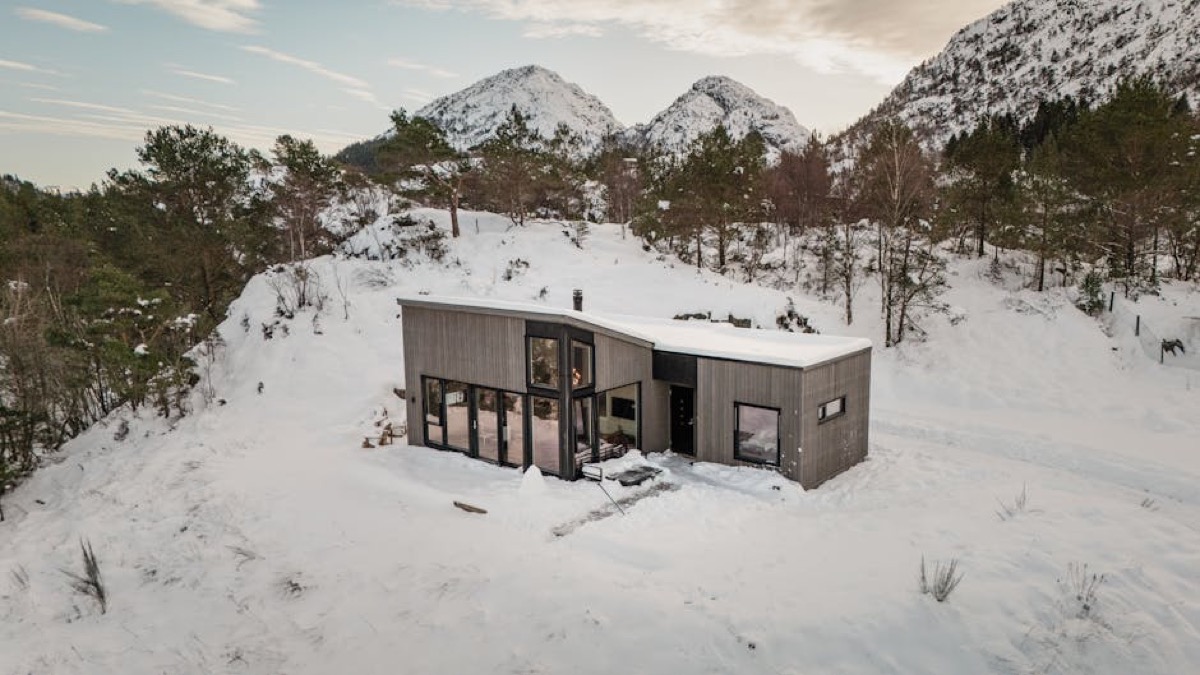
The Rinnai RU199iN is rated to 10,200 feet without special hardware - the highest altitude ceiling of any major residential tankless. At maximum capacity (199,000 BTU, 11 GPM at 77°F rise), it provides enough overhead to maintain 6-7 GPM flow even when groundwater drops to 35°F.
Specs
| Model | Rinnai RU199iN |
|---|---|
| BTU Input | 15,200 - 199,000 BTU/h |
| Flow Rate (77°F rise) | 11 GPM |
| Altitude Rating | 0 - 10,200 ft (installer menu adjustment) |
| Freeze Protection | -30°F (indoor install with optional outdoor kit) |
| UEF | 0.95 (condensing) |
| Amazon ASIN | B07CW426QZ |
Cold Climate Performance
At 35°F inlet temp and 140°F target (105°F rise), effective flow drops to approximately 6.3 GPM. That's enough for two showers + one sink simultaneously. Installation at 8,400 feet requires setting altitude mode via the front panel - no additional parts or service call. Owner reports from Montana and Colorado consistently praise temperature stability in sub-zero weather.
Best Use Case
Mountain homes above 6,000 feet with 3-4 bathrooms. Cold groundwater regions where inlet temps regularly drop below 40°F. Homes requiring whole-house capacity with zero compromise on flow.
Check Rinnai RU199iN Price on Amazon
Runner-Up: Rinnai RX199iN - Newest Generation with Auto Altitude Adjustment
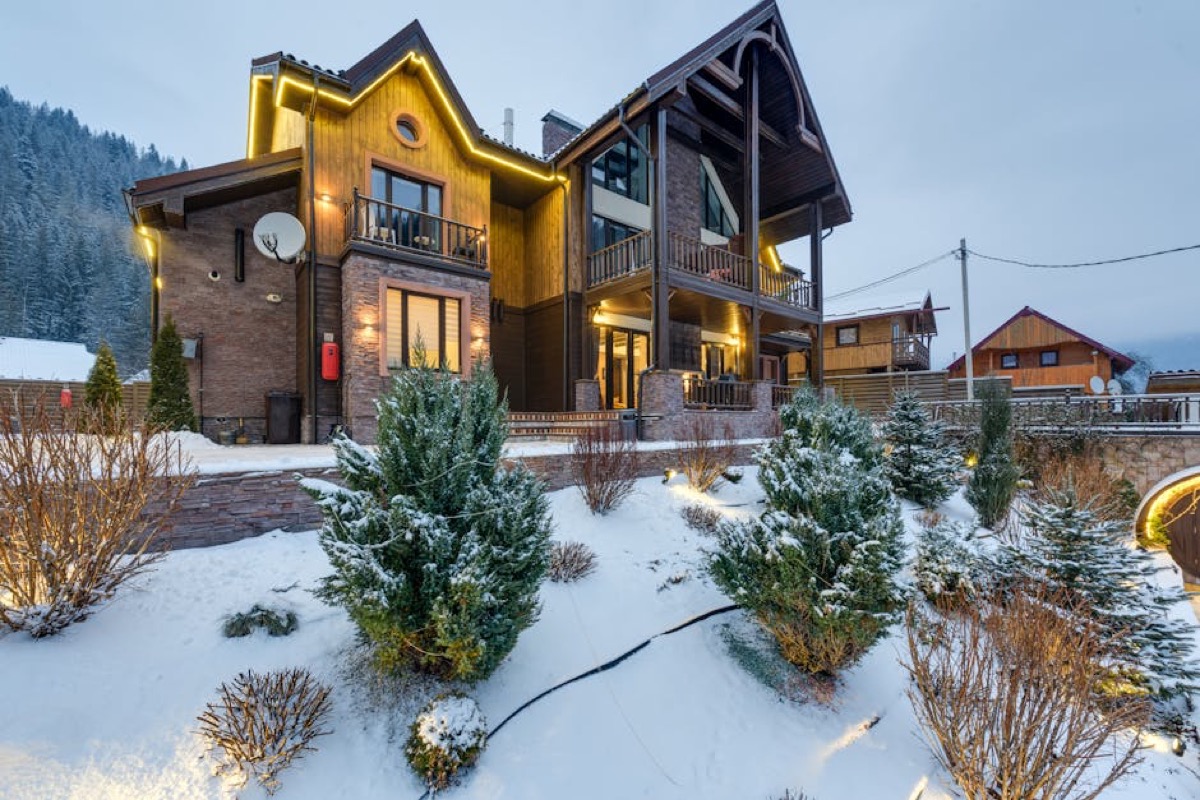
The Rinnai RX199iN is the 2025-generation successor to the RU199iN, adding automatic altitude detection (via barometric sensor) and a redesigned heat exchanger that reduces scale buildup in hard water areas common at high elevation.
What's New
- Automatic altitude adjustment - no installer menu required
- Improved condensate management (important in freezing conditions)
- Quieter operation (52 dB vs 58 dB on the RU199iN)
- Same 10,200 ft altitude ceiling, same 0.95 UEF efficiency
Trade-Offs vs RU199iN
The RX199iN typically costs $200-300 more. Availability is still ramping up (as of May 2026), and some regions report longer lead times. If you need a unit installed within 2 weeks, the RU199iN is safer. If you want the latest tech and can wait, the RX199iN is worth the premium.
Best Outdoor Model: Rheem RTGH-95XLN - Freeze Protection to -30°F
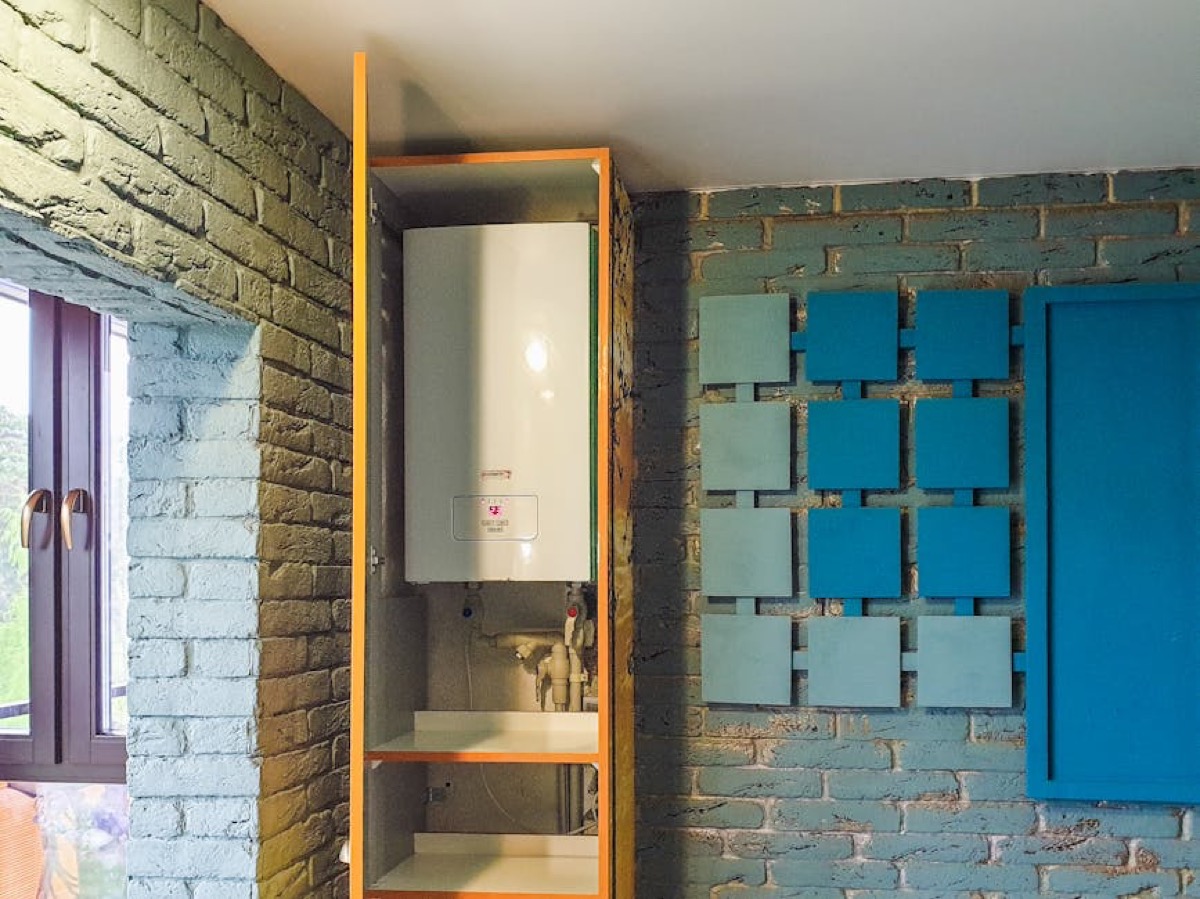
If you need an exterior installation and don't have indoor space for a tankless unit, the Rheem RTGH-95XLN is purpose-built for extreme cold. Rated for outdoor use in temperatures down to -30°F, it includes integrated freeze protection and a weather-resistant cabinet.
Specs
| Model | Rheem RTGH-95XLN-2 |
|---|---|
| BTU Input | 11,800 - 199,000 BTU/h |
| Flow Rate (77°F rise) | 9.5 GPM |
| Altitude Rating | 0 - 9,840 ft (dip switch or program chip for 6,560+ ft) |
| Freeze Protection | -30°F (outdoor cabinet, integrated drain-down) |
| UEF | 0.94 (condensing) |
| Amazon ASIN | B07CVQFV37 |
Cold Climate Performance
At 35°F inlet and 140°F target, effective flow drops to approximately 5.1 GPM. That's two simultaneous showers or one shower + dishwasher + sink. The outdoor cabinet is designed for snow load and ice accumulation, with a sloped top and vent cowling that prevents blockage.
Installation Notes
Above 6,560 feet, you may need the RTG20256C program chip (available from Rheem dealers). Most units ship with dip switches for 0-6,560 ft adjustment; consult the installation manual for your exact elevation. The unit requires a 120V outlet for freeze protection even when not in use - budget for an exterior GFCI outlet if one doesn't already exist.
Best Use Case
Homes without indoor utility space for tankless installation. Cold-climate regions where exterior mounting is required by code or preferred for venting simplicity. Mountain cabins where interior installation would require extensive remodeling.
Check Rheem RTGH-95XLN Price on Amazon
Budget Pick: Noritz NRC111-DV-NG - High Altitude Capable Under $1,800
The Noritz NRC111-DV-NG offers 199,000 BTU capacity and 11.1 GPM flow at a lower price point than Rinnai or Rheem. It handles altitude up to 4,500 feet out of the box with a simple connector disconnect, and up to 10,000 feet with a service call to adjust combustion parameters.
Specs
| Model | Noritz NRC111-DV-NG |
|---|---|
| BTU Input | 15,200 - 199,900 BTU/h |
| Flow Rate (77°F rise) | 11.1 GPM |
| Altitude Rating | 0 - 10,000 ft (above 4,500 ft requires service adjustment) |
| Freeze Protection | -22°F (indoor install, optional outdoor kit available) |
| UEF | 0.95 (condensing) |
| Amazon ASIN | B003UHUXAM |
Trade-Offs
The NRC111 lacks user-accessible altitude adjustment. If you're above 4,500 feet, you'll need a certified Noritz technician to adjust the gas valve and combustion parameters - budget an extra $150-250 for this service call. Freeze protection is rated to -22°F rather than -30°F, so extreme climates (northern Alaska, high-altitude Wyoming) may want the extra margin offered by Rinnai or Rheem.
Best Use Case
Altitude under 4,500 feet where no service adjustment is needed. Cold climates where inlet temps regularly drop below 45°F but outdoor temps rarely dip below -20°F. Budget-conscious buyers who want condensing efficiency and proven reliability without paying Rinnai's premium.
Check Noritz NRC111 Price on Amazon
Comparison Table: Cold Climate & Altitude Performance
| Model | Max Altitude | Freeze Protection | Effective Flow (35°F inlet, 140°F target) | Best For | Price Range |
|---|---|---|---|---|---|
| Rinnai RU199iN | 10,200 ft | -30°F | ~6.3 GPM | Extreme altitude, large homes | $1,900 - $2,400 |
| Rinnai RX199iN | 10,200 ft | -30°F | ~6.3 GPM | Latest tech, auto altitude adjust | $2,100 - $2,700 |
| Rheem RTGH-95XLN | 9,840 ft | -30°F | ~5.1 GPM | Outdoor install, medium-large homes | $1,800 - $2,300 |
| Noritz NRC111-DV-NG | 10,000 ft | -22°F | ~6.4 GPM | Budget option, <4,500 ft no service needed | $1,600 - $2,100 |
Installation Considerations for Extreme Conditions
Venting in Cold Climates
Condensing tankless units produce acidic condensate that must drain properly even when ambient temps drop below freezing. Use schedule 40 PVC for condensate drain lines and pitch them at 1/4 inch per foot minimum. Run drain lines through heated spaces when possible, or insulate and heat-trace outdoor runs in climates where ground freezes deep.
Altitude Derate Math
As a rule of thumb, expect a 4% output reduction per 1,000 feet above sea level. A 199,000 BTU unit at 8,000 feet delivers approximately 163,000 effective BTU (32% derate). When shopping, look for oversized capacity to compensate - a unit rated for 8 GPM at sea level may only deliver 5.5 GPM at 8,000 feet with cold inlet water.
Recirculation Loops and Freeze Risk
If you add a recirculation pump to reduce wait time for hot water, the return line must be heat-traced or run through heated space in freezing climates. A frozen return line can crack and flood your utility room. Alternatively, use a demand-activated pump that only runs when a fixture is in use, minimizing freeze exposure.
Frequently Asked Questions
Do tankless water heaters work at 10,000 feet elevation?
Yes, with the right model and installation. The Rinnai RU199iN and RX199iN are certified to 10,200 feet. The Noritz NRC111 can operate to 10,000 feet but requires a technician service call to adjust combustion settings above 4,500 feet. Expect some output derate (approximately 40% at 10,000 ft), so size up to compensate.
How cold is too cold for a tankless water heater?
Modern condensing tankless units with freeze protection operate reliably down to -30°F when properly installed. Below that, outdoor units risk damage even with freeze protection active, and indoor units may struggle with vent termination ice buildup. If you regularly see -40°F, consider an indoor installation with vertical venting to minimize ice blockage risk.
Does groundwater temperature affect tankless performance?
Significantly. A unit rated for 8 GPM at 77°F rise (50°F inlet to 127°F outlet) may only deliver 5 GPM when inlet water drops to 35°F (requiring a 105°F rise). Always check manufacturer flow charts for your expected inlet temperature range. In regions with year-round cold groundwater, size your tankless unit 30-40% larger than you would in moderate climates.
Final Recommendation
For altitude above 8,000 feet or climates where groundwater stays below 40°F year-round, the Rinnai RU199iN is the safest choice. Its 10,200-foot ceiling, -30°F freeze protection, and user-adjustable altitude settings make it the most versatile extreme-condition unit available.
If you need outdoor installation, the Rheem RTGH-95XLN offers comparable cold-weather performance in a weather-resistant package. Budget-conscious buyers below 4,500 feet should consider the Noritz NRC111-DV-NG, which delivers similar capacity at a lower upfront cost.